

Creatine Side Effects: What You Should Know Before Taking Creatine
Creatine Side Effects: What You Should Know Before Taking Creatine
Creatine side effects are one of the most common concerns for people who are considering using creatine supplements. Creatine is one of the most researched sports supplements in the world and is widely used by athletes, bodybuilders, and fitness enthusiasts to improve strength and muscle performance.
Although creatine is generally considered safe for healthy adults, it is important to understand potential creatine side effects before starting supplementation. Knowing how creatine works and how to use it correctly can help you make an informed decision.
What Is Creatine?
Creatine is a natural compound that is stored in your muscles and helps produce energy during short bursts of intense exercise. The body naturally produces creatine in the liver, kidneys, and pancreas, and it can also be obtained from foods such as red meat and fish.
However, the amount of creatine from food is relatively small. For this reason, many athletes choose creatine supplements to increase the creatine stored in their muscles and improve physical performance.
Creatine monohydrate is the most common and widely studied form of creatine used in sports nutrition.
Not sure if creatine is right for you? Take our supplement quiz to find personalized recommendations based on your fitness goals and needs.
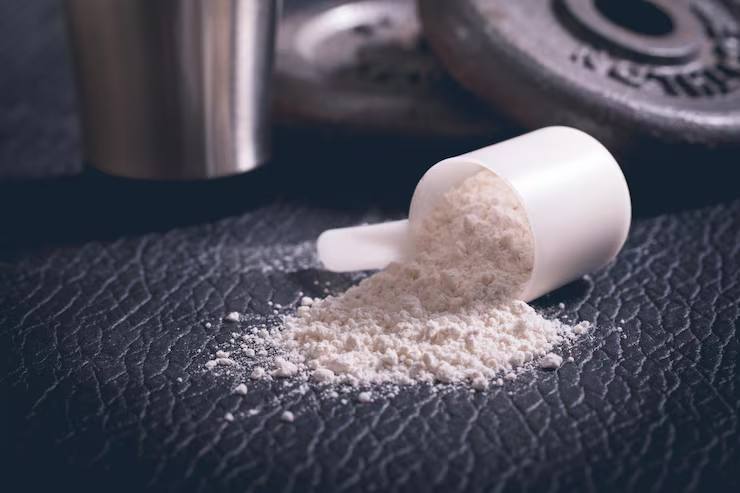

Common Creatine Side Effects
When used correctly, creatine is generally well tolerated by most people. However, some individuals may experience mild creatine side effects.
- Water retention – creatine can draw water into muscle cells
- Digestive discomfort – some people may experience stomach upset when taking high doses
- Weight gain – usually caused by increased water storage in muscles
These effects are typically mild and often disappear when creatine is taken in recommended doses.
According to research published by the International Society of Sports Nutrition, creatine supplementation is considered safe for healthy individuals when taken within recommended guidelines.
If you’re considering creatine but worried about side effects, check out our complete creatine powder vs capsules comparison to find the format that works best for you.
tHE BENEFITS
Is Creatine Safe for Long-Term Use?
Several long-term studies have examined the safety of creatine supplementation. Most research indicates that creatine does not cause harmful effects in healthy adults when used responsibly.
Because creatine is one of the most studied supplements in sports nutrition, many experts consider it one of the safest performance supplements available today.
Millions of athletes around the world use creatine to support strength, muscle growth, and exercise performance.
Creatine and Other Popular Supplements
Creatine is often combined with other fitness supplements as part of a broader nutrition strategy. For example, some athletes combine creatine with omega-3 fatty acids to support overall health and recovery.
If you want to learn more about another popular supplement, you can read our guide on
omega 3 benefits for heart and brain health.
This internal link helps explain how different supplements can support both fitness performance and general wellness.
How to Take Creatine Safely
To minimize creatine side effects, most experts recommend a daily dose of 3–5 grams of creatine monohydrate.
Some athletes use a “loading phase,” but many people simply take a consistent daily dose. Drinking enough water and following recommended serving sizes can help reduce potential side effects.
Want to explore other safe, science-backed supplements? Browse our comprehensive supplement guides to discover alternatives and complementary products.
Creatine Safety Profile: What the Research Shows
Despite concerns about creatine side effects, decades of scientific research confirm that creatine is one of the safest supplements available when used properly. The International Society of Sports Nutrition (ISSN) has published multiple position stands confirming creatine’s safety for healthy adults.
Creatine has been studied extensively since the 1990s, with thousands of scientific papers examining its effects on muscle performance, brain health, and overall wellness. Long-term studies involving athletes and non-athletes alike have found creatine to be safe for years of continuous use.
The key to minimizing creatine side effects is understanding your body’s response, staying hydrated, and following recommended dosages. Most people who experience side effects do so from improper supplementation rather than from creatine itself. By following best practices and monitoring your individual response, you can safely harness creatine’s powerful muscle-building benefits.
conclusion
Creatine side effects are usually mild and uncommon when creatine is used correctly. Scientific research shows that creatine supplementation can be a safe and effective way to support strength, muscle growth, and exercise performance.
For individuals interested in improving their fitness performance, creatine remains one of the most studied and trusted supplements available.
Creatine Side Effects: Your Questions Answered
Is creatine bad for your body?
What are the side effects of creatine tablets?
Is creatine safe for long-term use?
How much creatine should a beginner take per day?
Does creatine cause weight gain?
Does creatine damage your kidneys?
This information is general and not medical advice. If you have a health condition, consult a qualified healthcare professional.
Looking for a personalized supplement plan that accounts for your specific health profile? Our free BMI calculator helps determine your fitness baseline and what supplements might be most effective for your goals.
About this article
BodyFit Reviews summarises published research to help readers make informed supplement choices. We are not medical professionals — we base our articles on peer-reviewed studies and recognised sports-nutrition organisations, and use cautious wording where strong evidence is limited.
Source: Kreider RB, et al. “ISSN position stand: safety and efficacy of creatine supplementation.” Journal of the International Society of Sports Nutrition, 2017. View study
General information only, not medical advice. Consult a healthcare professional if you have a health condition.
Leave a Reply